

Natural Gas Patio Heater
A natural gas patio heater is a fantastic method to keep outdoor areas warm. Its main benefit is that it can be connected to existing natural gas (NG) lines, meaning that you do not have to think about filling propane tanks.
However there are some things to consider before you decide on one. This article will explore the various options available including the heat output, safety and installation.
Cost
A natural gas patio heater can make it easier to enjoy your outdoor area well into the night. patio gas heater for sale can be wall-mounted, freestanding or anchored with a post to the ground. They are available in a variety of sizes to heat larger areas. The best model should have features that make patio use safer and easier. There are models that have an anti-slant function that will shut off the stove whenever it tilts more than 47 degrees. Some models are made from durable materials such as aluminum and stainless steel for durability and resistance to corrosion.
These units can be powered by electricity, propane or natural gas, and produce up to 46,000 British Thermal Units (BTUs). Electric models are plugged into 120-volt outlets that are the most simple to set up and operate however they don't heat as well as propane or natural gas models.
Propane patio heaters look like umbrellas and feature hollow bases that hold tanks of propane that weigh 20 pounds similar to those used in gas grills. The tanks are less expensive than the fuel used for an indoor space heater, however they require refills frequently and they aren't able to be moved as easily. There are also smaller propane heaters that are tabletop designed to be placed on top of tabletops and use propane tanks of 1 pound.
The cost of a natural gas patio heater is based on its dimensions and the features it comes with like an automatic shut-off, a wheel for easy mobility, a quick ignition and a remote with multiple settings. You can also select from a wide selection of finishes, including resin wicker, hammered bronze and decorative stone facing to complement your outdoor decor.
Natural-gas and electric patio heaters require expert installation. They can't be moved easily like propane and gas models. However, they look more permanent and work just as well as an indoor space heater. There's even an attractive model that is able to be plugged into rigid gas lines to add a stylish accent. However, the cost of a natural gas patio heater is typically higher than those that run on propane or electricity.
Heat Output
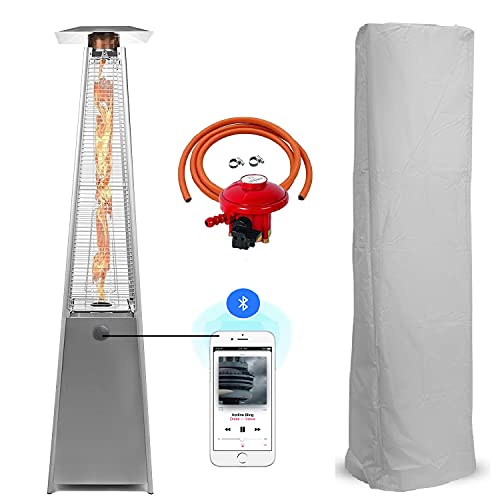
When shopping for a natural gas patio heater, pay particular focus on the power output. The number of BTUs it produces is an indication of how warm the heater will make your guests and also how long it can keep your patio or balcony warm. The higher the number of BTUs the greater the size of your area can be heated.
Gas patio heaters can be used to enjoy the outdoors all year round, whether your area is covered or not. The majority of models are adjustable and run on propane or natural gas. They can be a freestanding unit or hung on the wall or ceiling. If patio outdoor gas heater are limited in space for floor space, you might want to consider a portable natural-gas patio heater that is powered by readily available propane tanks. Look for features like a gas shutoff to prevent leaks in the event of a fire being sparked, or an anti-tilt feature that stops the supply of fuel automatically when the unit tilts over 47 degrees.
The best natural gas patio heaters can provide plenty of warmth on your deck or in your backyard without taking up too much space. The huge freestanding models, which resemble floor lamps, provide radiant warmth to a larger area and are made of sturdy metal. Tabletop models that have small footprints are ideal in dining rooms with small spaces. You can find models that work with natural gas or propane, and come in a variety of attractive finishes.
If you want a more elegant appearance, you can choose patio heaters that utilize natural gas or propane with the hammered-bronze, resin-wicker, or decorative stone front. Other features to look for include the ignition system that is a push button and an auto shut-off safety valve in the event that the unit tips over and rotary dial control that lets you easily alter and set the flame. Some of the top propane patio heaters are made of stainless steel to guarantee durability and strength, whereas others are made of aluminum for lighter weight.
Safety
Gas patio heaters can be a great option to prolong your time outside. Patio heaters made of gas come in a variety of styles, ranging from those that stand alone and use propane tanks to those that are connected to your home's gas line. The kind you pick depends on your budget and the amount you want to heat your home.
Propane-fueled heaters typically consist of a stand, pole or shield with an reflector or shield. The base houses a 20-pound tank of propane (LP). They come with a wide range of power outputs that ranges from 41,000 BTU's up to more than 100,000. They have safety features including an auto shut-off valve and an electronic lighter for quick ignition. The tip-over switch automatically shuts off gas flow when the unit is tip-over.
Portable gas patio heaters should be used outdoors on hard, flat noncombustible, nonflammable surfaces. They should be kept at a minimum of three feet away from any combustible material and at a minimum of 12 inches from anything that could catch fire like fences and trees. The fuel cylinder should be kept outside and at least three feet away from building, stairways, windows and doors. Check the hose and connections of propane patio heaters for leaks regularly. You can test the connections with a solution of soapy water. Look for the UL or CSA mark on a propane patio heater to ensure it is in compliance with national safety standards.
A natural gas gas patio heater connects to your home's natural gas line and offers a higher BTU rating than propane units. It can be more expensive to operate, but it is much safer and does not need the replacement of a propane tank. These units are great for patios in homes restaurant, apartments and condominium buildings.
No matter what style of patio heaters you select, make sure they are rated for outdoor or indoor use. Natural gas and propane patio heaters could release carbon monoxide when they are installed indoors in a closed space, and this can cause fatal harm. Electric patio heaters do not emit any pollutants and are safe to use in a closed space.
Installation
Natural gas patio heaters are connected to your gas line in your home, so they don't require the propane tank that other kinds of outdoor heaters do. This makes them a much more convenient and safe alternative to traditional propane heaters. They also emit less smoke than propane heaters. They do require professional installation and are more expensive than propane heaters.
They are a popular feature for both residential and commercial properties. They can make your patio more comfortable even if temperatures dip below freezing. They are safe to use as they don't emit heat on the surface, but rather radiate heat from the inside of the silvered cover. These heaters are also very economical to run as they don't consume a large amount of electricity.
Patio heaters can either be mounted on the wall or freestanding. If wall-mounted, they must be placed at least 8 feet above the ground to ensure that no one is in the path of the radiant heat. Freestanding heaters require a minimum clearance of 14 feet to prevent the spread of combustible substances in the vicinity.
These heaters are equipped with safety features to safeguard the property and also the people in the event of malfunction. The majority of heaters come with an off valve for tilt that will stop the heater from consuming fuel or electricity when it falls or is tilted. There is also sensors that detect the presence of flame to prevent accidental ignition.
To ensure that gas heaters are safe to use, it is recommended to employ a plumber who is licensed to install them. They should be acquainted with local and state plumbing and heating codes to ensure that the gas lines are correctly sized for the heaters. They should be certified to look for leaks of gas in appliances.
Other costs could be additional to the materials and labor costs associated with the gas patio heater install. These include removing or replacing any damaged or damaged finishes or structures. These include framing, surface finishes, and plumbing systems. Other possible expenses could include making existing systems more compliant with current building codes. These costs should be included in the overall estimate of the project.